Products
The Hidden Cost of Telecom Billing
Read MoreProducts
Industries
Solutions
Insights
The UAE has introduced e-invoicing as part of its digital tax and compliance transformation. While the objective is simple: accelerated digital transformation, enhanced tax compliance, reduced fraud, and increased operational efficiency, the execution can be complex, with new data standards, transmission models, and phased timelines to navigate.
This portal breaks down what UAE e-invoicing means in practice and how SunTec supports a confident, compliant rollout.
Understand the UAE
end-to-end e-invoicing process
See how SunTec Xelerate ™
e-Invoicing aligns with the UAE regulatory model
Identify the right approach for your organization—SME or enterprise
Prepare for implementation ahead of mandate timelines
Rollout Timeline:
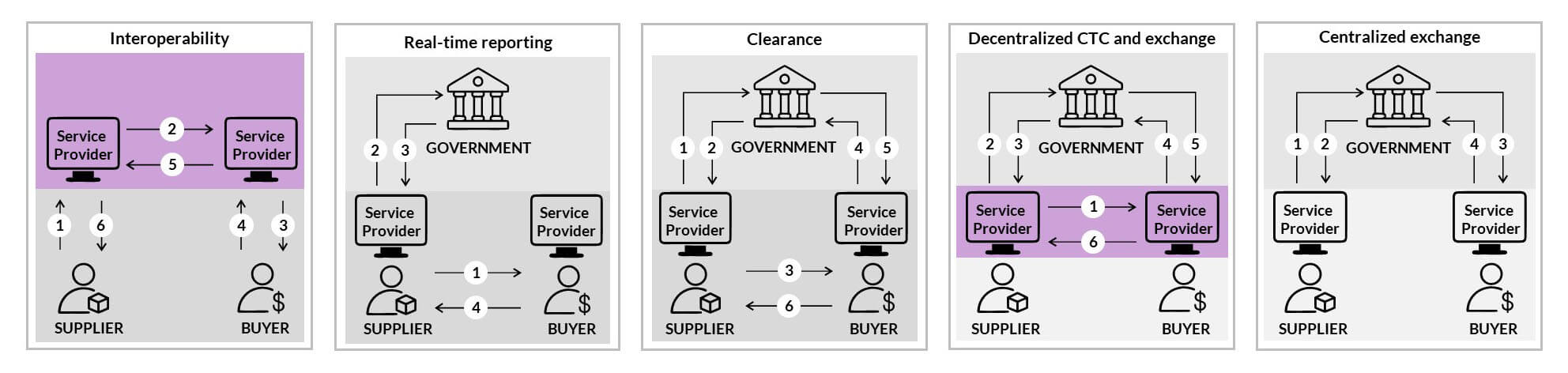
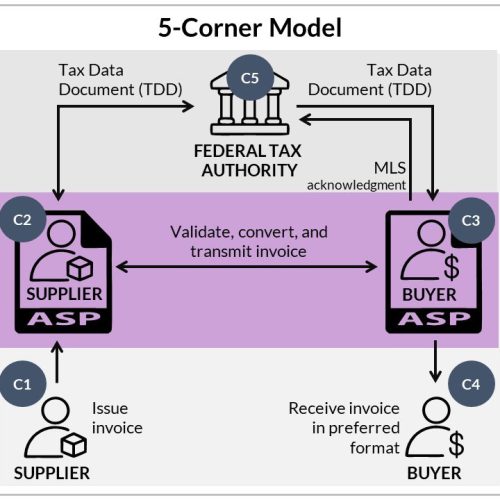
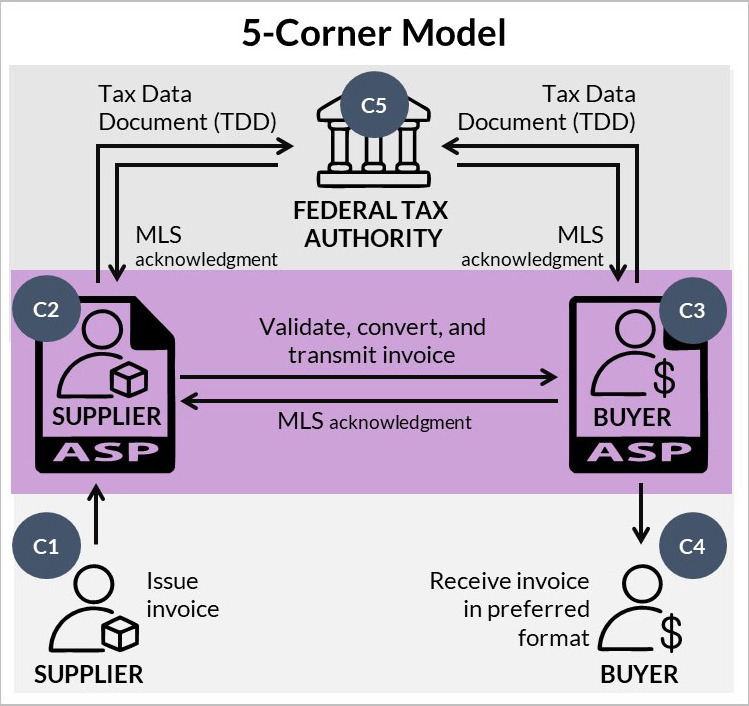
The UAE is adopting a Peppol-based 5-corner model, where invoices are exchanged through certified Access Points, with reporting to the Federal Tax Authority (FTA) embedded into the regulated flow.
How the UAE e-Invoicing Works:
The Functional Lifecycle
The UAE is adopting a Peppol-based 5-corner model, where invoices are exchanged through certified Access Points, with reporting to the Federal Tax Authority (FTA) embedded into the regulated flow.
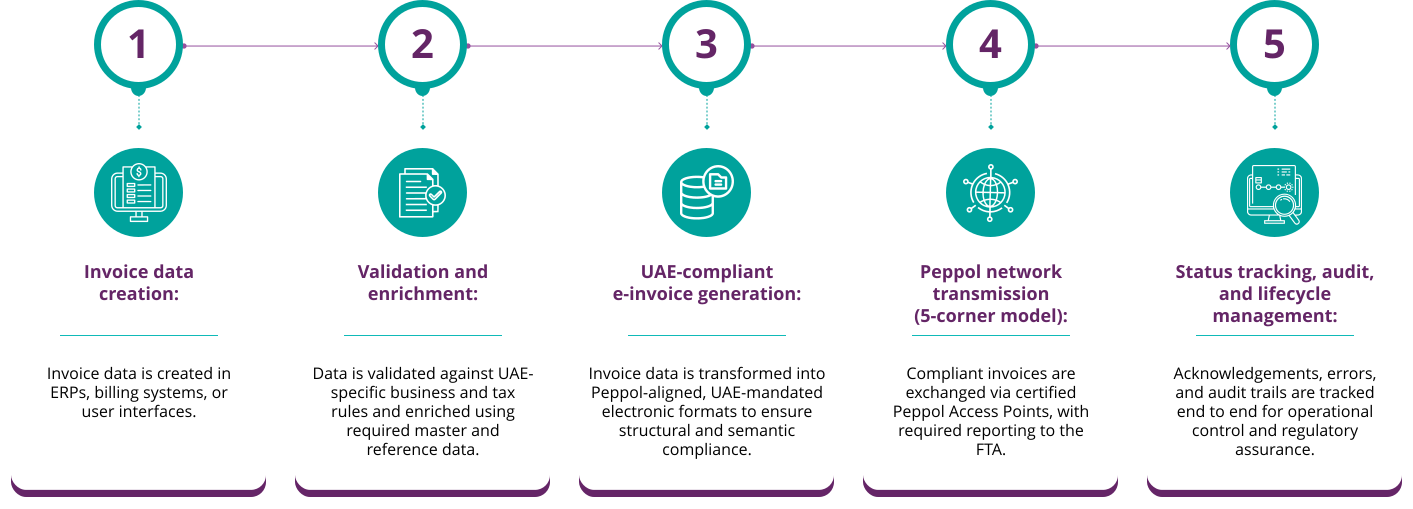
In practice, a UAE e-invoice moves through five consistent steps:
01
Invoice data creation:
Invoice data is created in ERPs, billing systems, or user interfaces.
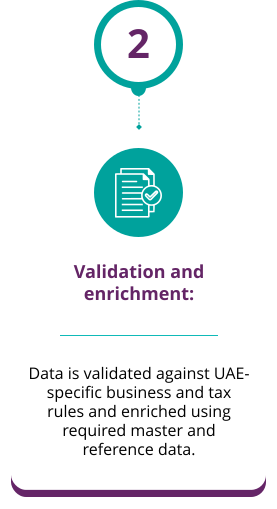
02
Validation and enrichment:
Data is validated against
UAE-specific business and tax rules and enriched using required master and reference data.
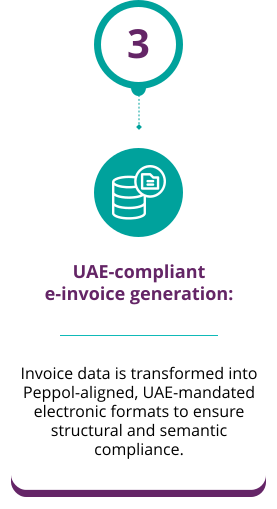
03
UAE-compliant e-invoice generation:
Invoice data is transformed into Peppol-aligned, UAE-mandated electronic formats to ensure structural and semantic compliance.
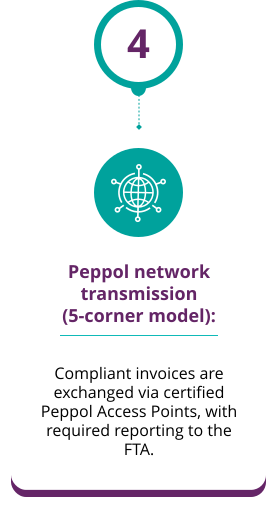
04
Peppol network transmission (5-corner model):
Compliant invoices are exchanged via certified Peppol Access Points, with required reporting to the FTA.
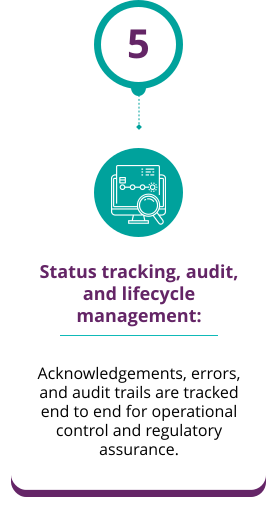
05
Status tracking, audit, and lifecycle management:
Acknowledgements, errors, and audit trails are tracked end to end for operational control and regulatory assurance.
SunTec Xelerate e-Invoicing is designed to help businesses and financial institutions align seamlessly with the UAE’s evolving e-invoicing regulations. It enables compliant invoice generation, validation, and exchange in line with mandated data standards and transmission requirements, while ensuring consistency, accuracy, and regulatory adherence across all transactions. By embedding compliance into core invoicing processes, the product reduces implementation complexity and helps organizations adapt smoothly to phased regulatory rollouts.
E-invoicing in the UAE is not a one-time compliance activity. Regulatory requirements will evolve, Peppol network rules will mature, and reporting expectations will expand over time.
SunTec Xelerate E-Invoicing is architected for this reality, allowing organizations to meet UAE mandates today while remaining adaptable to future change, without repeated re-architecture.
The product is built on a deliberate separation between:
This design ensures operational stability, centralized governance, and long-term readiness as the UAE E-invoicing ecosystem evolves.
SunTec Xelerate E-Invoicing exposes secure APIs to support seamless integration with ERP systems, billing platforms, and external applications in the UAE’s Peppol-based model.
Each API section includes:
Recommended for IT, integration, and architecture teams.
SunTec Xelerate E-Invoicing exposes secure APIs to support seamless integration with ERP systems, billing platforms, and external applications in the UAE’s Peppol-based model.
Each API section includes:
Recommended for IT, integration, and architecture teams.
Endpoint definitions
Required headers and authentication details
Request and response parameters
Sample payloads and responses
Error handling and status codes
Recommended for IT, integration, and architecture teams.
e-Invoicing in the UAE is not a one-time compliance activity. Regulatory requirements will evolve, Peppol network rules will mature, and reporting expectations will expand over time.
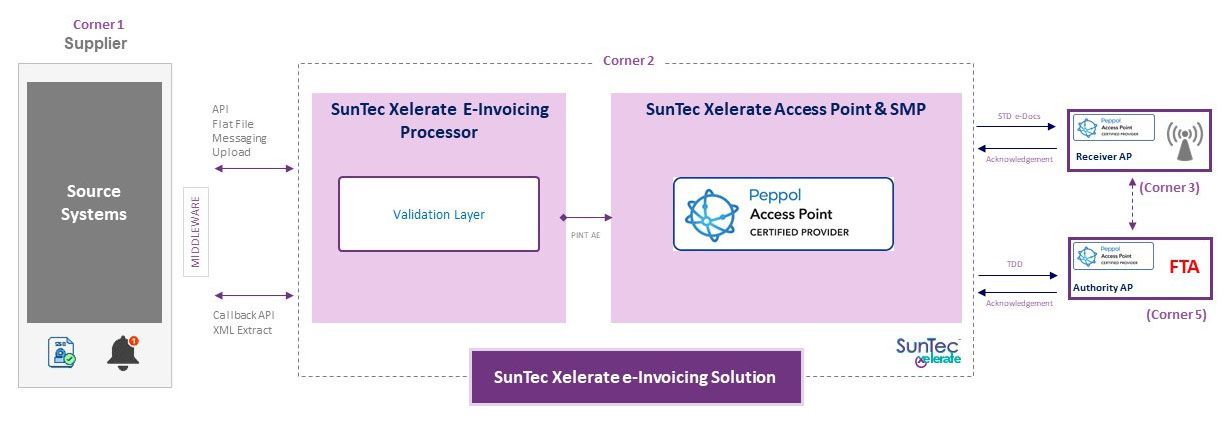
XeP is the core processing and compliance foundation responsible for validation, enrichment, governance, and auditability—independent of transmission models.
Integrate invoice data from multiple source systems and formats
Perform validation against UAE-specific requirements
Enrich data using master and reference data
Generate compliant electronic documents in required formats
Beyond compliance, XeP enables:
End-to-end lifecycle tracking and audit trails
Exception handling and retry management
Operational dashboards, SLA monitoring, and reporting
With XAP:
Ensure secure transmission of electronic documents across UAE’s Peppol-based network
Manage routing, acknowledgements, and network-level compliance
XAP is certified for Peppol Access Point and SMP and aligned to the UAE regulatory requirements
This design ensures operational stability, centralized governance, and long-term readiness as the UAE e-invoicing ecosystem evolves.
(Processing, compliance, governance, and auditability)
Both SMEs and enterprises must adopt UAE-compliant e-invoicing solutions through accredited service providers. SMEs can typically onboard faster using cloud or portal-based workflows, while enterprises often require phased ERP integration and testing aligned to their go-live timelines.
Organizations must align early with the mandate timelines and their own system readiness. Whether you are preparing for initial compliance or scaling across entities, the approach will differ based on your operational complexity.
SunTec Xelerate e-Invoicing supports both SMEs and large enterprises. Start with the path aligned to your scale, systems, and compliance needs.
Designed for organizations with lower invoice volumes and minimal IT dependencies, seeking a simple and structured approach to UAE e-invoicing.
Get compliant quickly while keeping operations simple and efficient.
Designed for organizations operating across multiple entities with complex IT landscapes, including multiple ERP, billing, and enterprise systems.
Achieve compliance while maintaining control across complex environments.
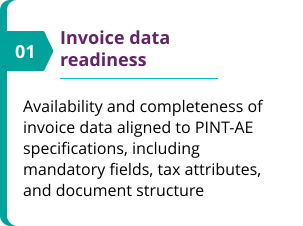
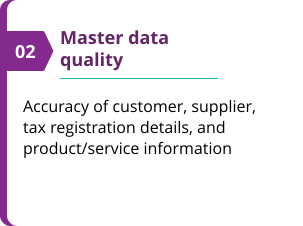
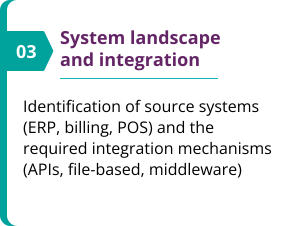
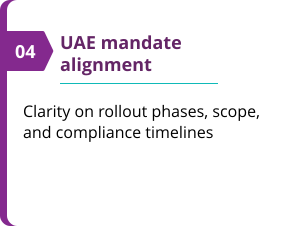
A smooth UAE e-invoicing rollout depends on early clarity across data, systems, and ownership. Key considerations include:
Where invoice data originates and in which formats
Readiness of master data (customers, suppliers, tax IDs, products)
Applicable UAE mandate timelines and scope
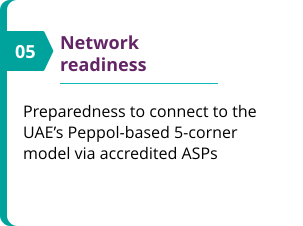
Whether Peppol-based network exchange via accredited service providers is required
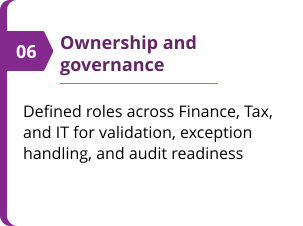
Clear ownership across Finance, Tax, and IT
Readiness of master data (customers, suppliers, tax IDs, products)
Whether Peppol-based network exchange via accredited service providers is required
Clear ownership across Finance, Tax, and IT
Both SMEs and enterprises must adopt UAE-compliant e-invoicing solutions through accredited service providers. SMEs can typically onboard faster using cloud or portal-based workflows, while enterprises often plan phased ERP integration and testing aligned to their go-live timelines.
Onboarding & Readiness: What to Prepare
A smooth UAE e-invoicing rollout depends on early alignment across data, systems, and ownership. Given the structured nature of the UAE model, preparation must account for both regulatory requirements and operational integration.
Explore answers to common questions about how SunTec Xelerate E-Invoicing works and how it supports UAE e-invoicing requirements.
Implement UAE e-invoicing with a product designed for regulatory
confidence, operational control, and long-term adaptability.
Implement UAE e-invoicing with a product designed for regulatory confidence, operational control, and long-term adaptability.
Trusted by 50+ clients for compliance and taxation across the GCC and India
The First Choice for leading financial institutions in the KSA
An Accredited Service Provider on the Emara Tax Portal for UAE e-invoicing